Finding the right way to watch global content in the US is tough. Many people face issues like buffering and poor video quality. They need a better way to enjoy their favorite shows.
Getting a top-notch viewing setup means picking the right tools. The right hardware and software can change how you watch TV at home. Quality hardware is key for smooth, clear broadcasts without any breaks.
This guide is your go-to for mastering digital broadcasts. We’ll cover the tech you need and how to set it up. Follow our tips to keep your network fast and reliable for all your digital needs.
Key Takeaways
- Understand the core hardware requirements for stable streaming.
- Learn how to optimize your home network for reduced latency.
- Discover software configurations that improve visual clarity.
- Identify common pitfalls that degrade your digital signal.
- Gain insights into maintaining a secure and private connection.
Table of Contents
Understanding the Fundamentals of IPTV Technology
If you’re looking for new ways to watch TV, you need to understand how data is sent. Modern internet TV options go beyond old TV systems. They use your home network to send content directly to your devices.
How Internet Protocol Television Differs from Traditional Cable
Old TV systems use cables to send signals all at once. This means you get every channel, even if you’re not watching it. IPTV, on the other hand, sends data in small, manageable packets only when you ask for a specific show.
This way, IPTV lets you watch what you want, when you want. It works with your internet, making it easy to use with other digital services. Here’s how IPTV and traditional cable differ:
- Delivery Method: Cable uses cables; IPTV uses the internet.
- Content Access: Cable sends signals all the time; IPTV lets you choose what to watch.
- Flexibility: IPTV works on many devices at once; cable is usually tied to one box.
| Feature | Traditional Cable | IPTV Technology |
|---|---|---|
| Signal Type | Analog/Digital Broadcast | Data Packets (IP) |
| Infrastructure | Coaxial Cable | Broadband/Fiber |
| Interactivity | Limited | High |
The Role of High-Speed Internet in Streaming Quality
A fast and stable internet connection is key for good streaming. When picking internet TV options, your internet speed affects the quality. Fast internet means you get clear 4K without buffering.
But, when lots of people are online, it can slow down. To keep your stream smooth, you need a strong connection. Choosing a reliable internet service is as important as picking the right TV equipment.
Selecting the Right IPTV Service Provider
Finding the right streaming service can be tough. It’s key to pick a IPTV service provider that’s reliable and offers great value. By carefully checking out different services, you can avoid problems and enjoy top-notch entertainment.
Evaluating Channel Lineups and Content Variety
Start by looking for providers with lots of top IPTV channels. Make sure they have your favorite sports, news, and entertainment. A good provider will organize these channels well, making it easy to find what you want.
Don’t choose a service that doesn’t have your go-to shows. Instead, find providers with flexible plans. This way, you can pick the content you really watch, saving money on affordable IPTV packages.
Verifying Service Reliability and Server Uptime
Technical reliability is as crucial as the content. A good IPTV service provider keeps their network strong to avoid buffering. Look for services that promise high uptime, so you can watch live events without interruptions.
Before you sign up for a long time, read what others say about the provider’s servers. The best affordable IPTV packages often focus on server quality over quantity. This means you get steady access to top IPTV channels, even when lots of people are watching.
Optimizing Your Home Network for Seamless Streaming
A strong home network is key to avoiding buffering during live events. Fast internet plans are important, but how data moves inside your home matters more. Local infrastructure is the silent partner in every successful stream.
The Importance of Wired Ethernet Connections
For top performance, a wired Ethernet connection is best. Wireless signals can be affected by walls and furniture, leading to data issues. Using a physical cable effectively eliminates packet loss, ensuring your content streams smoothly.
“The stability of a wired connection is the single most effective upgrade you can make for a professional-grade home media setup.”
If your streaming device is close to your router, use a Cat6 cable. This creates a direct path for your data, avoiding common household congestion. You’ll see faster stream startup times and better reliability.
Configuring Wi-Fi Channels to Reduce Interference
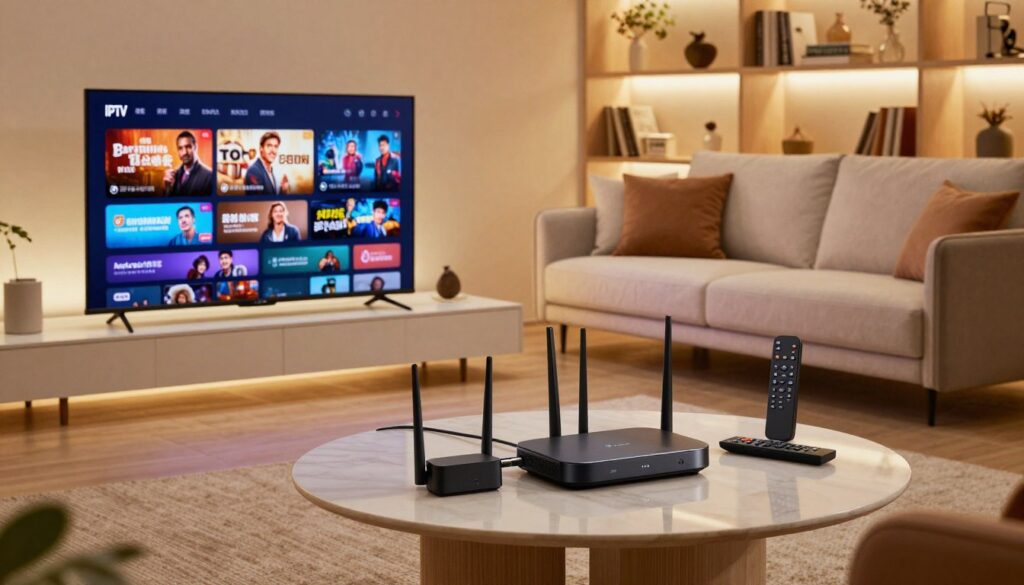
When a wired connection isn’t possible, focus on your wireless settings. Many routers use crowded channels, leading to weak signals. Taking control of your router settings can drastically reduce this interference.
Most routers let you switch between 2.4GHz and 5GHz bands. The 5GHz band is faster and less crowded, making it the ideal choice for high-bandwidth streaming. Use a Wi-Fi analyzer tool to find the least crowded channel and set your router to it.
Check these settings often to keep your network efficient as you add devices. By reducing signal noise, you make your streaming traffic flow better. This keeps your entertainment smooth and responsive all day.
Choosing the Best Hardware for Your IPTV Setup
How fast your IPTV works depends on the hardware. A strong processor makes sure videos play smoothly. Choosing the right device is key for a great home entertainment system.
Performance Benefits of Dedicated Streaming Devices like NVIDIA Shield TV Pro
The NVIDIA Shield TV Pro is a top pick for those who want the best. It has a powerful processor for tasks like AI-enhanced upscaling. This makes old videos look better.
This device also has a fast interface, even when you have lots of channels. It supports advanced audio and gaming features. It’s reliable for high-quality video and works well for a long time.
Why Amazon Fire TV Stick 4K Max is a Popular Choice
The Amazon Fire TV Stick 4K Max is a great value. It’s small but streams in 4K HDR. Users love its easy interface and voice control.
It’s perfect for those who want something simple. It works well with streaming apps and gets updates often. It’s a reliable choice for daily use.
Comparing Smart TV Native Apps versus External Media Players
Many TVs have smart features, but they can be slow. Smart TV apps can get slow over time. An external media player is easier to upgrade.
External players support more formats and apps. They let you customize your experience. Getting a separate player keeps your streaming fast and reliable.
| Feature | NVIDIA Shield TV Pro | Fire TV Stick 4K Max | Smart TV Native Apps |
|---|---|---|---|
| Processing Power | High | Medium | Low to Medium |
| Interface Fluidity | Excellent | Good | Variable |
| Storage Expandability | Yes (USB) | Limited | None |
| Best For | Power Users | Casual Viewers | Basic Streaming |
Achieving the Best IPTV TV Experience Through Software Optimization
Getting the best streaming performance is not just about having a fast internet connection. It also needs the right software setup. By adjusting your digital settings, you can make sure your device handles high-quality streams well. This way, you can enjoy top IPTV channels with less delay and better picture quality.
Selecting the Right IPTV Player Application
The key to a great viewing experience is the app you use to play your media. A top-notch player should support advanced codecs for efficient video processing. Choosing the right software makes sure your hardware and service provider work well together.
Search for apps with hardware acceleration and adjustable buffer settings. These are crucial for watching top IPTV channels in high definition or 4K. A strong player keeps your video smooth, even when many people are watching.
Managing EPG Data for a Better User Interface
An Electronic Program Guide, or EPG, is essential for navigating your channels. When it’s set up right, you can easily find your favorite shows. Proper EPG management turns a messy list into a neat TV guide.
Choose apps that update EPG automatically to keep your schedule fresh. This way, you won’t miss any live events on your top IPTV channels. A clean interface makes it easier for everyone in your home to use.
Navigating Legal and Ethical Considerations
Understanding how to access media safely is key in today’s digital world. The source of media is crucial for your security and the setup’s sustainability. Prioritizing legitimate platforms helps protect your home network from threats.
Identifying Authorized Streaming Television Services
Authorized streaming television services have the right to broadcast content. They work with studios and networks to pay creators. Look for professional websites, clear subscription models, and official app store presence.
Using verified platforms means your connection is safe and stable. These companies invest in server infrastructure for quality delivery. Always check for official branding and clear terms before signing up.
Understanding Copyright and Content Distribution Laws
Copyright laws protect artists, writers, and production companies. Accessing content through unauthorized channels can risk your devices. Respecting these laws keeps your digital space safe.
Unauthorized sources lack the security of legitimate streaming television services. Choosing authorized providers supports the industry and keeps your viewing habits private. Responsible consumption ensures quality entertainment for all.
Enhancing Visual and Audio Quality
Good visuals and clear sound are key for a great streaming experience. To get the best high definition TV experience, make sure your settings match your TV’s abilities. Even small changes in your device menu can make a big difference in picture quality and smoothness.
Adjusting Resolution Settings for High Definition TV Experience
Most devices start with an “Auto” resolution setting. But this might not always be the best for your TV. Go to your device’s display settings to pick the right resolution for your screen. For example, if you have a 4K TV, choose 2160p to avoid quality loss.
Another important thing is frame rate matching. Turning on “Match Content Frame Rate” lets your device adjust the frame rate. This helps avoid the “judder” effect in fast scenes or sports.
Utilizing Surround Sound and Audio Passthrough
Good visuals are just half the story for a home theater. To get a real movie feel, use audio passthrough. This sends the audio signal straight to your soundbar or AV receiver. This way, they can handle formats like Dolby Atmos or DTS:X.
“Sound is fifty percent of the experience, and it is often the most neglected part of the home entertainment setup.” — Anonymous
If your device is connected to your TV, make sure your TV sends audio via HDMI ARC or eARC. This keeps the surround sound quality high without losing it to the TV’s processing. Check the table below for audio format bandwidth needs.
| Audio Format | Channel Support | Best Use Case |
|---|---|---|
| Dolby Digital | 5.1 Surround | Standard Streaming |
| Dolby Atmos | Object-Based | Premium Cinema |
| PCM Stereo | 2.0 Channels | Basic Audio Setup |
| DTS:X | Object-Based | High-End Home Theater |
Managing Your IPTV Subscription Plans Effectively
When you sign up with an IPTV service provider, the billing cycle matters a lot. It can change your costs over time. Knowing the difference between short-term flexibility and long-term savings is key for any budget.
Comparing Monthly versus Annual Billing Cycles
Monthly plans give you ultimate flexibility. They’re great if you don’t want to be tied down. This is perfect for testing services or if your viewing habits change often.
On the other hand, annual plans can save you a lot of money. The upfront cost is higher, but the total annual savings can be big. This is a good choice if you’re sure you’ll keep the service.
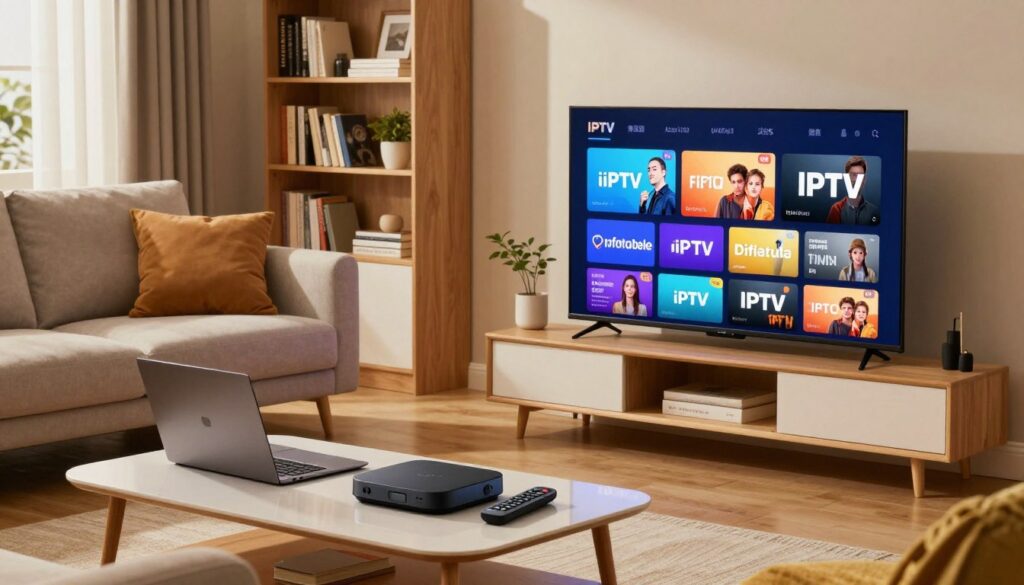
The table below shows the main differences between monthly and annual payments. It helps you choose what’s best for your budget.
| Feature | Monthly Billing | Annual Billing |
|---|---|---|
| Commitment | Low (30 days) | High (12 months) |
| Cost Efficiency | Standard Pricing | Discounted Rates |
| Flexibility | High | Low |
Evaluating Affordable IPTV Packages for Budget-Conscious Users
Looking for affordable IPTV packages means more than just the cheapest price. Look for providers that offer a good mix of channels, quality, and uptime.
Be sure to check for any hidden fees or setup costs. Many providers offer promotional trials. These let you test the service before committing to a bigger cost.
By carefully looking at the terms, you can find the best value for your entertainment needs. Choosing the right IPTV service provider is about finding a balance of cost, reliability, and content. This keeps your monthly bills in check.
Troubleshooting Common Streaming Issues
Keeping your high definition TV experience smooth means knowing how to fix unexpected problems. Even with fast internet, you might still face issues that ruin your viewing. Finding out what’s causing these problems is the first step to solving them quickly.
Resolving Buffering and Connection Drops
Buffering often happens when your network gets too busy or your signal is weak. If you see a lot of pauses, try restarting your router and modem. This simple step can help clear out any temporary slowdowns.
If the problem keeps happening, check if other devices are using a lot of bandwidth. Streaming or downloading on other computers can slow down your stream. Make sure your streaming device gets priority by adjusting your router’s settings.
Clearing Cache and Data on Streaming Devices
Streaming apps collect temporary files over time, which can slow them down or cause crashes. Clearing the cache regularly is a smart maintenance move. Most devices, like the NVIDIA Shield or Fire TV, let you manage these files in their settings.
To do this, go to your device’s settings and find the list of apps. Pick the streaming app you’re using and clear the cache. This removes old data without losing your login info, so you can enjoy a smooth viewing experience every time.
Advanced Customization for Power Users
True enthusiasts know that fine-tuning network settings unlocks the full potential of their media. By moving beyond default configurations, you can tailor your hardware and software to meet specific performance needs. This level of control ensures that your home entertainment system operates at peak efficiency.
Integrating VPN Services for Privacy and Geo-Unblocking
A Virtual Private Network (VPN) is an essential tool for those who prioritize digital privacy. By routing your traffic through an encrypted tunnel, you prevent your internet service provider from monitoring your streaming habits. This added layer of security is vital when managing your various IPTV subscription plans.
Beyond privacy, VPNs allow you to bypass regional content restrictions. If a specific channel or event is blocked in your area, connecting to a server in a different country can grant you access. This flexibility ensures that you get the most value out of your IPTV subscription plans regardless of your physical location.
Using Multi-Screen Features for Sports and News
Modern streaming hardware often supports multi-screen or “picture-in-picture” modes. This feature is a game-changer for fans who want to track multiple live events at once. You can easily monitor a major football game while keeping an eye on a breaking news feed on the same display.
To maximize this setup, ensure your streaming device has enough processing power to handle multiple high-definition streams simultaneously. Efficiency is key when managing several feeds. The following table outlines how these advanced features compare for different user needs.
| Feature | Primary Benefit | Technical Requirement |
|---|---|---|
| VPN Integration | Enhanced Privacy | High-Speed Router |
| Multi-Screen Mode | Simultaneous Viewing | Powerful Processor |
| Custom DNS | Reduced Latency | Stable Network |
Future Trends in Internet TV Options
The future of streaming television services looks bright. Viewers can expect a more immersive and easy-to-use experience. The industry is moving towards high-fidelity visuals and smart software for home entertainment.
The Shift Toward 4K and 8K Streaming Standards
People want clear images, so providers are moving to higher resolutions. 4K is now the standard for top-quality content. But, the industry is gearing up for 8K streaming to become common.
This change will raise the bar for all internet TV options. With better bandwidth, viewers will see sharper images, deeper colors, and a more movie-like experience at home.
Integration of Artificial Intelligence in Content Discovery
Finding shows and movies is changing too. Artificial intelligence is being used to understand what you like and suggest content. These smart systems predict what you might want to watch before you search for it.
These innovative streaming television services make finding content easier. They help you spend less time browsing and more time enjoying your favorite shows and movies.
In the end, the future of internet TV options is about combining high-quality hardware with smart software. This mix will make digital entertainment more fun and easy for everyone.
Conclusion
To get the best iptv tv experience, you need reliable hardware and good network care. Now, you know how to make your living room a top-notch media center.
Choosing quality devices like the NVIDIA Shield TV Pro or Amazon Fire TV Stick 4K Max is key. These gadgets help you enjoy the latest in streaming tech.
Using legal services keeps your viewing smooth and safe. It also protects your data and supports the creators of your favorite shows.
Working on your network and subscription plans will make you happy in the long run. This effort ensures everyone in your home enjoys the best iptv tv experience.
Check your setup and make these improvements now. Tell your friends or family about these tips to help them upgrade their entertainment too.
FAQ
What are the primary technical requirements for achieving the best iptv tv experience?
For the best iptv tv experience, you need a fast internet connection. It should have at least 25 Mbps for 4K content. Also, use a dedicated streaming device like the NVIDIA Shield TV Pro.Choose a high-quality display. Using a wired Ethernet connection is best. It avoids signal interference and keeps your streaming stable.
How can I identify a reputable IPTV service provider?
Look for a provider with high server uptime and a wide range of channels. They should have clear customer support. Check for trial periods and positive feedback on their CDN stability.
Are there affordable IPTV packages that provide high-quality streams?
Yes, many providers offer affordable IPTV packages without sacrificing quality. Compare different plans to find discounts. Opting for annual billing can save you money, giving you a great TV experience.
Which hardware is best for running top IPTV channels smoothly?
The NVIDIA Shield TV Pro is best for power users. It handles high-bitrate streams well. For a compact and budget-friendly option, the Amazon Fire TV Stick 4K Max is great. It supports the latest streaming protocols and has a user-friendly interface.
Why should I prioritize a wired connection for my internet TV options?
Wi-Fi can be slow and interrupted by other devices. A Cat6 Ethernet cable gives you a stable connection. It’s key for smooth streaming of live sports and high-resolution content.
How do I manage EPG data to improve my viewing interface?
An Electronic Program Guide (EPG) is crucial. Use apps like TiviMate or IPTV Smarters Pro to manage EPG data. This ensures your channel list is always up-to-date and accurate.
What legal considerations should I keep in mind when choosing IPTV subscription plans?
Choose authorized streaming services with the right content distribution rights. This protects your network from security risks. Look for providers that are transparent and follow copyright laws.
How can I resolve persistent buffering on my streaming device?
Start by clearing the cache and data of your IPTV app. This removes files that slow it down. Also, restart your router and update your device’s firmware. This usually fixes connection issues.
Can I use a VPN with my IPTV service provider?
Yes, a VPN like ExpressVPN or NordVPN can improve your experience. It prevents ISP throttling and lets you access geo-restricted content. It’s great for users with different plans who want to watch regional content or stay private.
What future trends are shaping the world of internet TV options?
The future will bring 4K and 8K streaming standards for better quality. Artificial Intelligence will also play a big role. It will help users find content based on their viewing habits, making it easier to discover new shows and movies.