An IPTV provider is a company that delivers live TV and on-demand content over the internet instead of cable or satellite. With dozens of IPTV service providers competing for your subscription, the real challenge isn’t understanding IPTV — it’s telling one provider apart from another before you hand over your payment details. This guide lines up several IPTV providers side by side so you can compare what actually matters: price, trial access, channel count, device support, and the one feature that sets each apart.
Table of Contents
Comparison Table
| IPTV Provider | Price/Month | Free Trial | Channel Count | Device Compatibility | Standout Feature |
|---|---|---|---|---|---|
| usaiptvsubscription | 14.99$ | YES | +53.0170 Live TV | Yes | Fast Zapping, EPG |
| OttGoo | 15$ | YES | +49.000 Live TV | Yes | Replay & Epg |
| Vioravo | 13.99$ | YES | +36.500 Live TV | Yes | Catchup & Epg |
| IPTV | 25.99$ | YES | +11.000 Live TV | Yes | |
| Amigok | 9.99$ | YES | +28.000 Live TV | Yes | |
| MegaIPTV | 11$ | YES | +13.000 Live TV | Yes |
A few notes on reading this table:
- Price/month should reflect the standard monthly rate, not a discounted first-month promo — promo pricing belongs in a footnote, not the main column.
- Free trial should state the actual trial length (e.g., “24 hours,” “48 hours,” “none”) rather than just “yes/no.”
- Channel count varies a lot by how a provider bundles regional and international packages — note if the number includes add-on packs.
- Device compatibility should list actual supported platforms (Firestick, Android, iOS, Smart TV apps, MAG boxes) rather than a vague “most devices.”
How to Spot a Legit IPTV Provider
Not every IPTV supplier that shows up in a search result or a Telegram group is worth your money — or your card details. Here’s what separates a legit IPTV provider from a risky one.
Licensing and content rights. A legitimate provider is transparent about how it sources its channels. Vague or evasive answers about content rights are a warning sign, not a technicality to overlook.
Trial periods. Premium IPTV providers that stand behind their service usually offer a short paid or free trial — enough time to test streams during peak hours, not just a demo reel. A provider that refuses any trial at all, even a low-cost one, is asking you to buy blind.
Customer support responsiveness. Test support before you subscribe. Send a question through live chat or the provider’s ticketing system and time the reply. Slow or bot-only responses now usually mean slow or absent support later, especially when a stream goes down.
Payment methods. Legit providers typically offer traceable payment options and clear refund terms. Be cautious of services that accept only untraceable payment methods with no stated refund policy — it limits your recourse if the service doesn’t deliver.
Red flags to walk away from:
- Prices dramatically below the market average with no explanation
- No public support channel or business contact
- Pressure tactics (“this price ends in 10 minutes”)
- No trial, no refund policy, and no reviews outside the provider’s own site
If a provider checks most of the boxes above, it’s reasonable to consider it among the more legit IPTV provider options — but always test the trial thoroughly before committing to a longer plan.
IPTV Providers in the USA vs Internationally
Not all IPTV providers serve US-based subscribers equally well, and this is where “iptv providers usa” searches diverge from a general global list.
Regional channel access. USA IPTV providers should offer strong coverage of US local network affiliates, regional sports networks, and major cable channels — not just international news and entertainment bundles. If local channels for your market aren’t listed, ask before you buy.
Server locations. US-based iptv service providers usa subscribers rely on should have server infrastructure positioned to serve North American traffic with low latency. A provider running everything from distant international servers may buffer more during US primetime, when overall demand peaks.
Support hours. A provider marketed toward the US audience should offer support hours that overlap with US time zones. International-only support windows can mean a multi-hour wait if something breaks during a Sunday football afternoon.
Payment and currency. USA-facing providers typically bill in USD with familiar payment processors, which also makes it easier to dispute a charge if service quality falls short.
None of this means an international provider can’t serve US customers well — but if you’re specifically comparing US iptv providers, these four factors are what actually differ, not the underlying technology.
What Is the Difference Between an IPTV Provider and an IPTV Service?
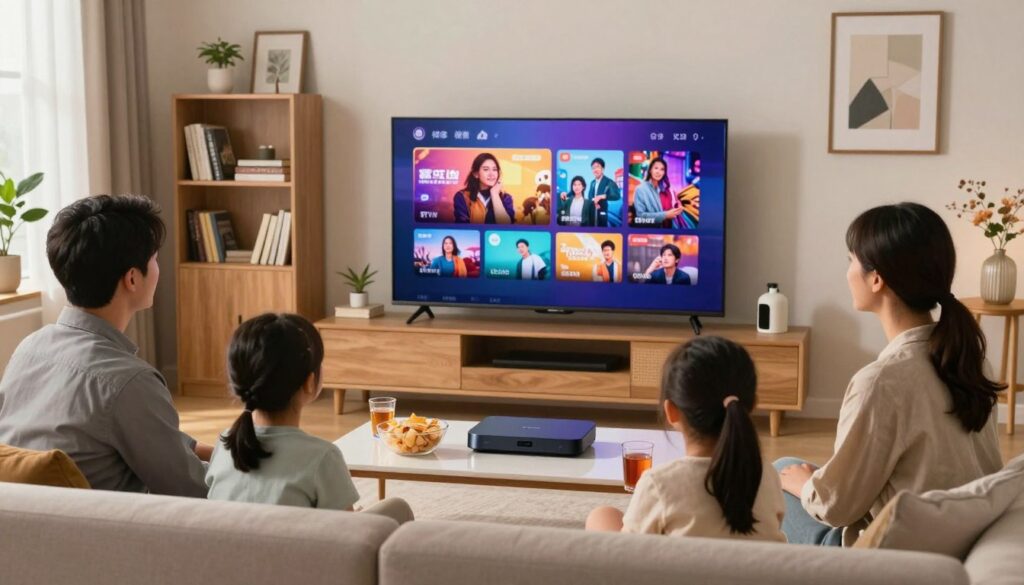
These terms get used interchangeably, but there’s a useful distinction. An IPTV provider is the company or supplier — the business entity that sources content, maintains servers, and sells subscriptions. An IPTV service is what that provider delivers to you: the actual app, channel lineup, and streaming experience you interact with day to day.
In practice, one provider iptv business can offer multiple services or tiers — a basic package, a premium sports add-on, a VOD-only plan — all under the same provider. When you’re comparing options, it helps to separate the two questions: “Is this a trustworthy provider?” and “Does this specific service tier fit what I actually watch?” A great provider with the wrong tier for your needs will still feel like a bad fit.
Frequently Asked Questions
How do I know if I’m dealing with a legit IPTV provider? Check for a working trial, responsive customer support, traceable payment options, and reviews that exist outside the provider’s own website. A legit IPTV provider won’t pressure you to skip these checks.
What should premium IPTV providers offer that budget ones don’t? Premium IPTV providers typically offer more reliable uptime, better support response times, higher-quality streams (fewer buffering issues during peak hours), and broader device compatibility — not just a longer channel list.
Is it better to use one IPTV provider or switch between several? Sticking with 1 IPTV provider that reliably covers your must-watch channels is usually simpler to manage and troubleshoot than juggling multiple subscriptions, though some users keep a backup provider for redundancy during outages.
Do IPTV providers in the USA differ much from international ones? Mainly in three areas: regional US channel coverage, server placement for US traffic, and support hours aligned with US time zones. The core streaming technology is the same.
What’s the difference between an IPTV provider and an IPTV service? The provider is the company; the service is what it delivers — the app, channel lineup, and plan tier you actually subscribe to.
Should I trust an IPTV supplier that won’t offer any kind of trial? Be cautious. A refusal to offer any trial, even a short paid one, removes your ability to test stream quality and support responsiveness before committing money.